

Clarity for complex residential work., Project Management

Project Management

Clarity for complex residential work.

BCG guides the work from preconstruction through completion, coordinating the people, information, cost, schedule, and quality decisions that determine how a project is delivered.

The role

The owner should be informed without having to manage every moving part.

Residential construction produces a constant flow of drawings, estimates, selections, schedules, field questions, and decisions. When those pieces are not coordinated, uncertainty moves downstream into cost, timing, and finished quality.

BCG serves as a knowledgeable point of continuity. We organize the work, ask the questions that need to be asked, keep the team aligned, and give the owner a clear view of where the project stands and what requires attention.

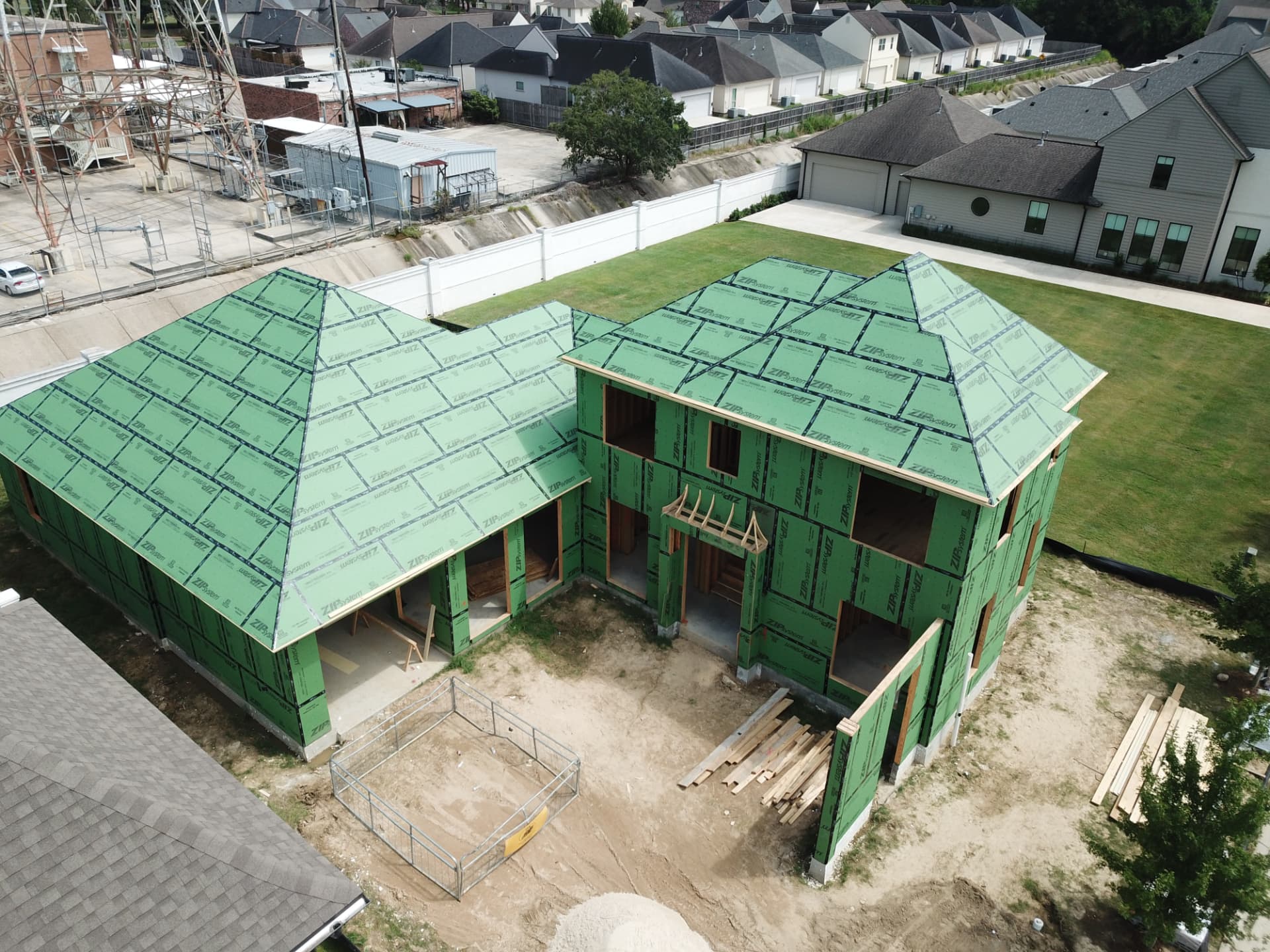
Residential construction work reviewed during project management

Owner representation

Protecting the client’s interests begins with better information.

BCG does not make design or ownership decisions on the client’s behalf. We make those decisions easier to understand by documenting assumptions, identifying consequences, comparing options, and keeping recommendations grounded in the project’s architecture, budget, schedule, and long-term performance.

What the work requires

01

Preconstruction leadership

BCG helps organize the work before construction begins: reviewing the project scope, identifying missing information, studying constructability, planning procurement, and establishing the decisions needed for a dependable start.

02

Budget development

Budgets are built from the information available, then refined as drawings, selections, site conditions, and trade input become clearer. Assumptions, allowances, alternates, and changes are documented so the owner can understand what is included.

03

Schedule planning

The schedule connects design completion, permitting, selections, long-lead purchases, trade sequencing, inspections, and closeout. BCG monitors those dependencies and explains when one decision affects another.

04

Team coordination

Architects, interior designers, engineers, consultants, suppliers, and trades each hold part of the project. BCG keeps responsibilities visible, follows open decisions, and helps translate design intent into coordinated field work.

05

Quality control

Work is reviewed while it can still be corrected, including structure, waterproofing, envelope transitions, mechanical coordination, and finish execution. Quality control is an ongoing discipline rather than a final walk-through.

06

Owner communication

The owner receives organized information about budget, schedule, decisions, progress, and issues requiring attention without being asked to become the day-to-day project manager.

From start to finish

A disciplined process, adapted to the project.

01

Understand the project

BCG begins with the property, drawings, goals, budget expectations, team, and current project status. The first responsibility is to understand what is known, what is unresolved, and where risk is concentrated.

02

Build the working plan

Scope, budget, schedule, decision deadlines, procurement needs, and team responsibilities are assembled into a practical framework. The plan becomes more precise as the design develops.

03

Coordinate construction

During the work, BCG manages the flow of information between the field and design team, tracks decisions and changes, monitors progress, reviews quality, and maintains the project record.

04

Complete with clarity

Closeout includes resolving remaining work, coordinating inspections, organizing relevant documentation, reviewing systems with the owner, and creating a clear transition into occupancy and stewardship.

Finish detail reviewed for quality and design intent
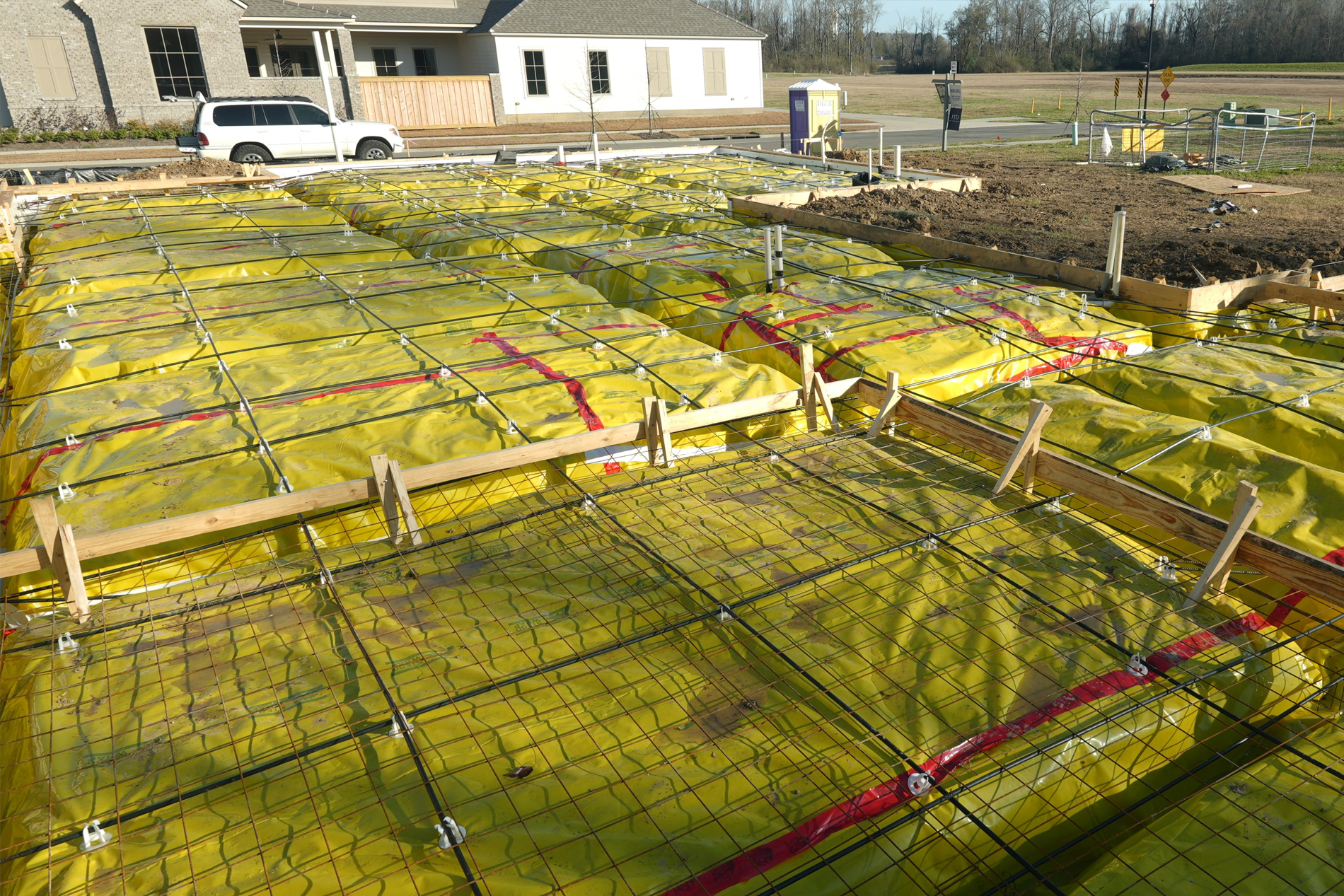
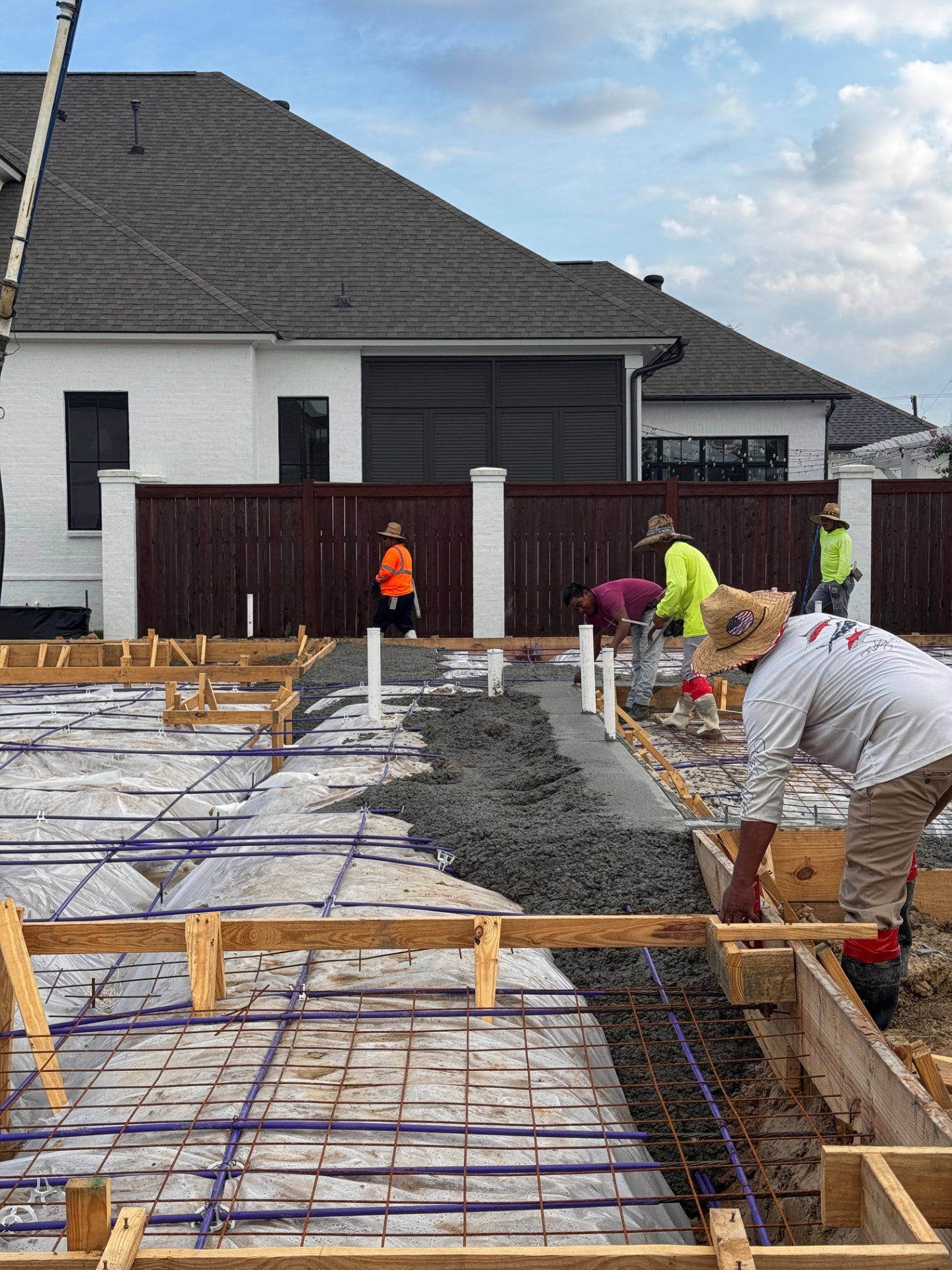
Concrete foundation work coordinated under BCG project management

Typical scope

What project management can include

The exact scope depends on the project, its current stage, and the responsibilities already held by the architect, designer, and other consultants.

  • Review of drawings, specifications, and project scope
  • Preconstruction planning and constructability input
  • Budget development, bid comparison, and cost reporting
  • Master schedule development and milestone tracking
  • Selection and long-lead procurement coordination
  • Architect, designer, consultant, supplier, and trade coordination
  • Site observation and quality-control follow-through
  • Meeting notes, decision tracking, changes, and project documentation
  • Owner reporting and communication
  • Punch work, closeout, and turnover coordination

A construction perspective

Why BCG

BCG approaches project management as a builder. That means design decisions are considered alongside field sequence, trade availability, material lead times, building systems, maintenance, and the realities of execution.

The same discipline applies to what will be seen and what will eventually be concealed. Architectural intent matters, and so do the assemblies, coordination, and records that allow the finished work to perform over time.

Common questions

Project management, clearly explained

A considered next step

Bring clarity to the project before complexity takes over.

Tell us where the project stands, who is involved, and what decisions are ahead. We can determine whether BCG’s project management role fits the work.

Work with us